The Clothed Home. Exhibition.
By treating the home as a resonator for our connection to the world and nature, numerous artists, architects, designers and scientists explore our surrounding spaces and materials to address contemporary issues, ecology and the human condition.
Such is the essence of the unique exhibition entitled “The Clothed Home. Tuning in to the Seasonal Imagination
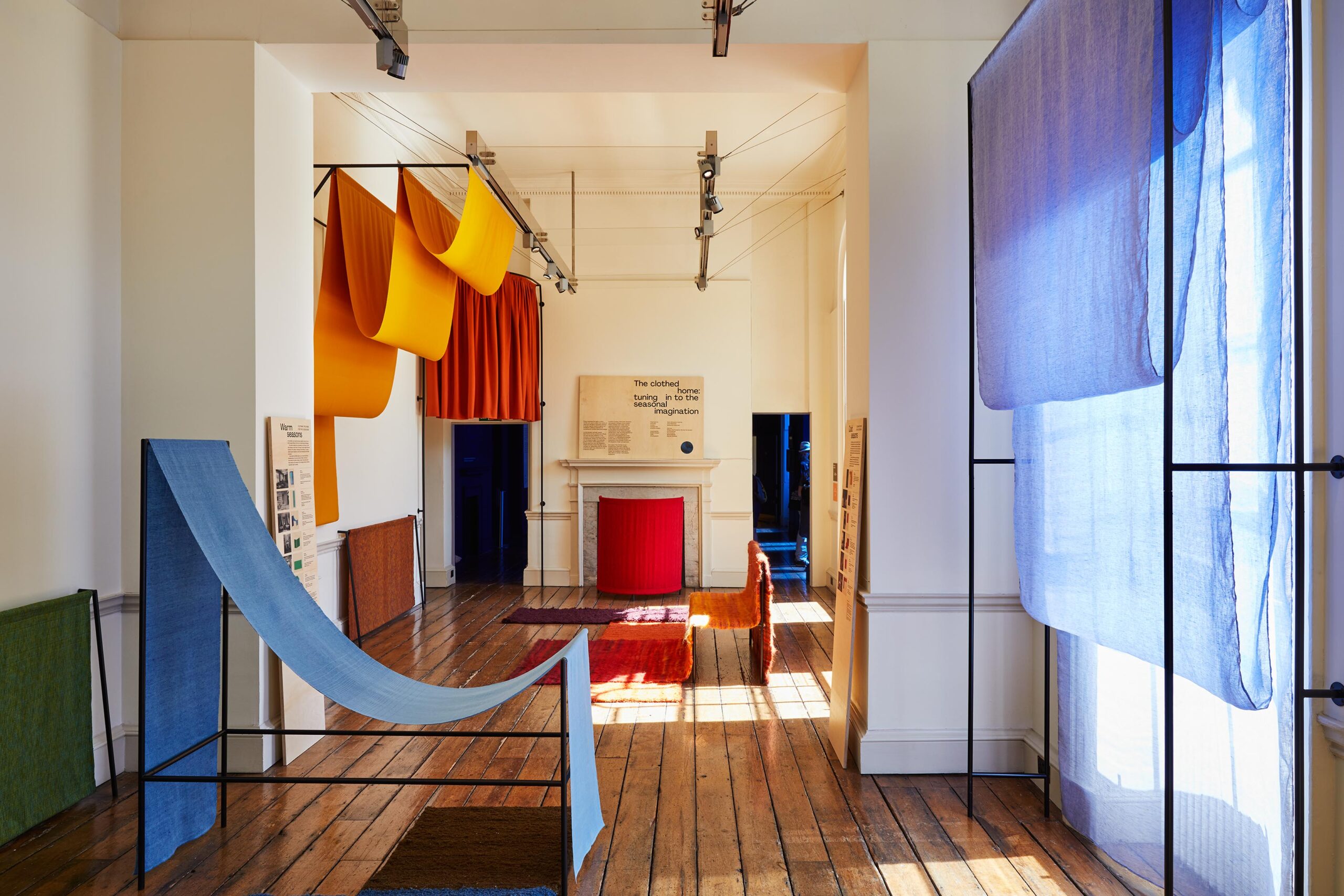
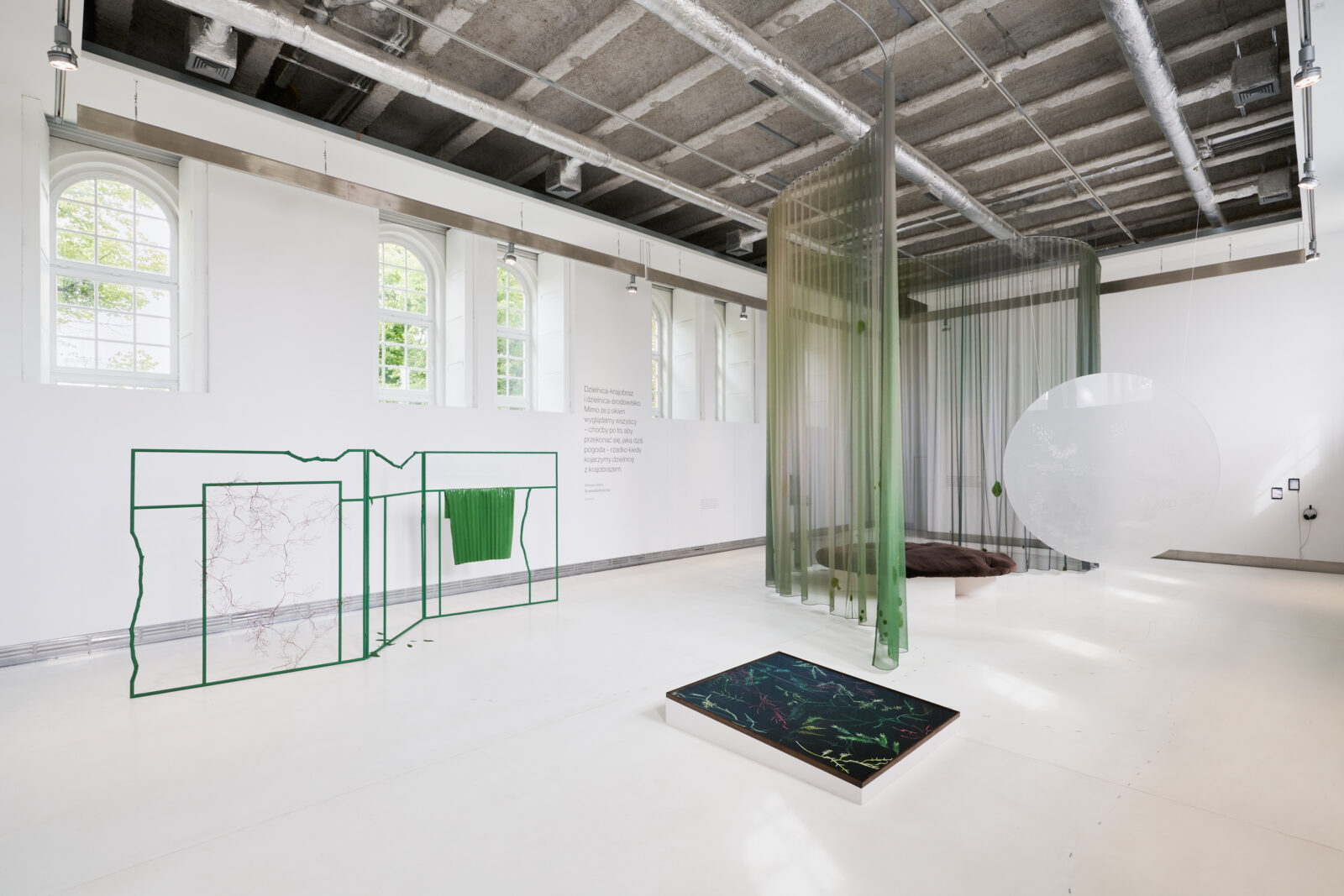
Built around the captivating art of Alicja Bielawska, the exhibition was first presented at the Polish Pavilion during the London Design Biennale in 2021. Its successful journey continued through the Ljubljana Design Biennale and the Lisbon Architecture Triennale, the National Museum in Krakow (2022) and Galerija Arka, where it was showcased during the Vilnius Gallery Weekend in autumn 2023.
The exhibition concept and design were developed as a collaboration between curator Aleksandra Kędziorek and CENTRALA, an architecture and research studio led by Małgorzata Kuciewicz and Simone De Iacobis, renowned for redefining spaces and revitalising architectural language. Through years of extensive research, CENTRALA has pioneered a unique concept known as “chronobiological architecture”, created to reconnect us with the natural climate. When preparing the exhibition, its creators sourced historical materials, archival records, and photograph (notably by Zofia Rydet), while visiting weaving ateliers and uncovering the footprints of historic textiles. Then, together with artist Alicja Bielawska, they used these findings to reconstruct materials, forms and functions.
“The Clothed Home” is an exploration of contemporary, climate-responsive design. It evokes and analyses the past through its seasonal, nature-aligned domestic rituals centred on textiles, shifting the spotlight back to our fading connection with nature and the sense of balance it once provided. Seeking inspiration for contemporary, climate-conscious design solutions, the “Clothed Home” draws on historical examples from pre-electric Poland. It revisits a time when life followed twelve distinct phenological seasons, adapting domestic spaces to their rhythm – an era when textiles were universally embraced as seasonal attire for architecture. This allowed to foster a mindful, communal connection to the cycles of nature, celebration of the passage of time, highly fashionable today, yet completely natural back then. It reinforced the feeling of belonging in a world where light, shadow and the natural rhythm of day and night directly influence our daily activity and vitality.
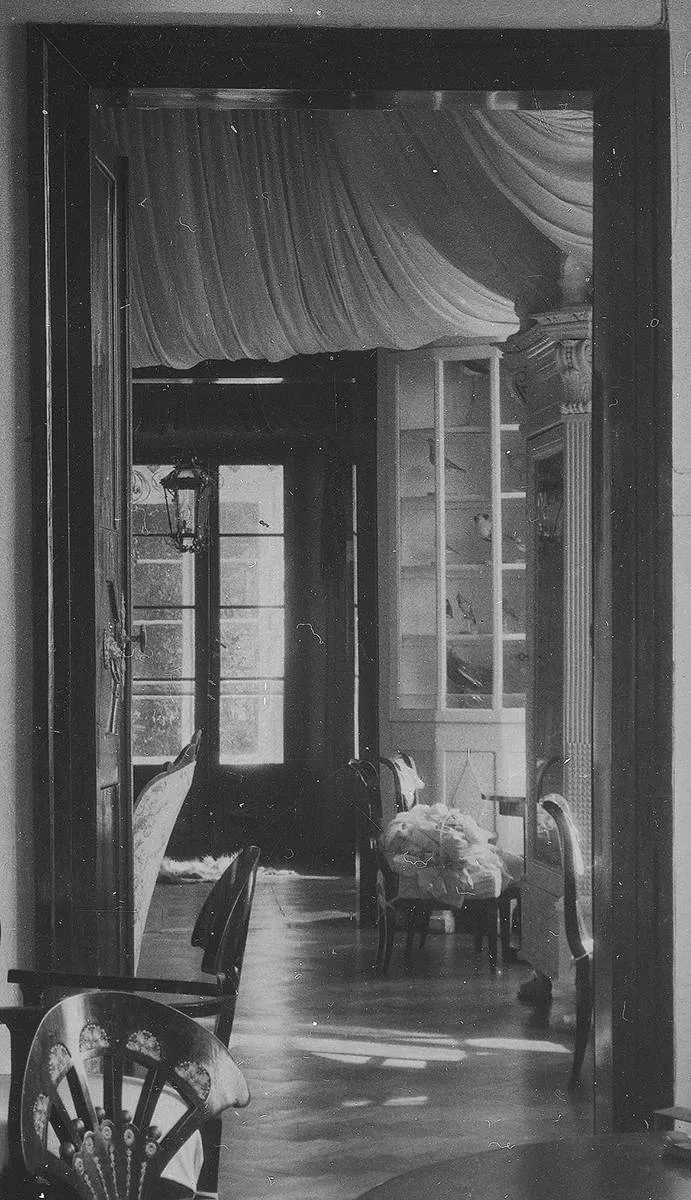
Textile regulating space volume to prevent heat loss dzieduszycki palace and park complex in zarzecze a photo taken between 1918 and 1939 national digital archives poland public domain.
The exhibition highlights a modern-day disconnect. Spending most of the time in centrally heated apartments and air-conditioned offices, we have drifted away from nature, seasonal changes and the circadian rhythm. Drawing on the heritage of old interior textiles, it recalls how our ancestors “clothed” their homes to match the seasons and how this approach enhanced their everyday quality of life.
The textiles featured in the exhibition were designed by Alicja Bielawska and meticulously crafted in collaboration with Polish and Ukrainian artisans from various artistic craft guilds. Combining artisanal beauty with functionality, the craftsmen behind these projects carefully recreated hand-woven kilims, fabric wall panels, ceiling quilts, rugs, throws and other textiles.
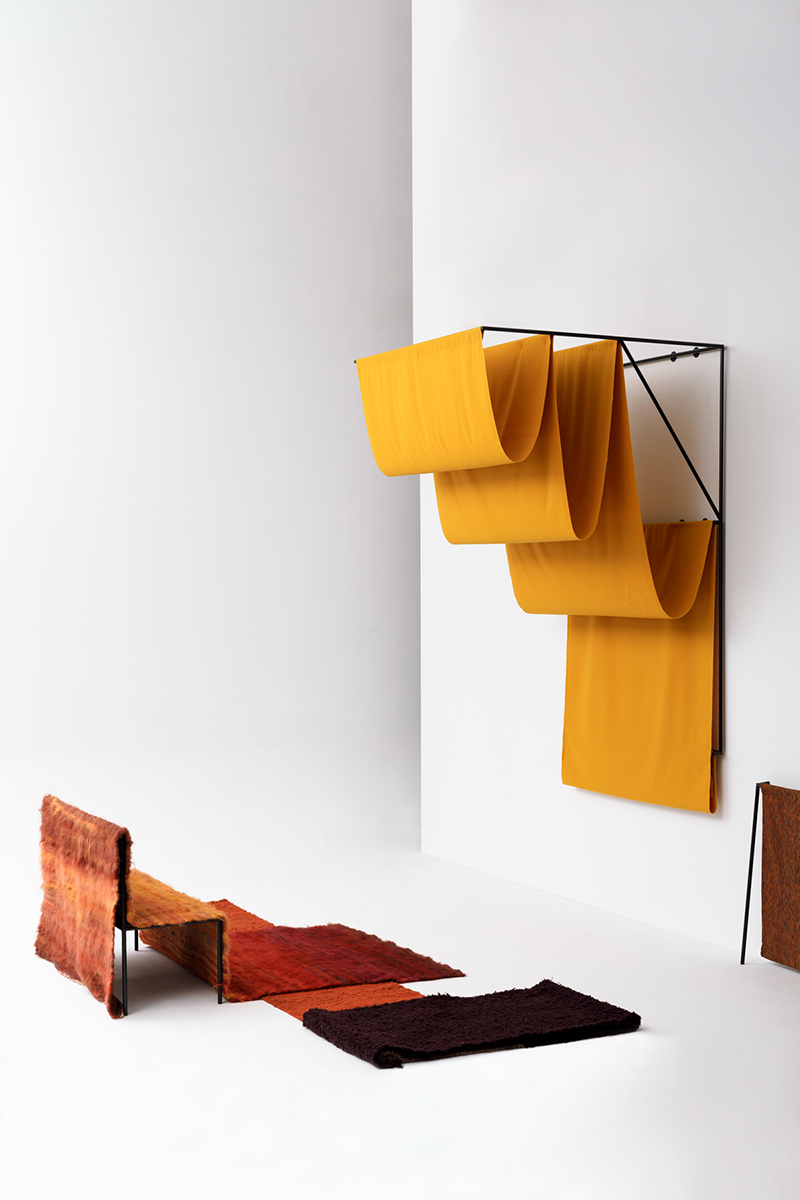
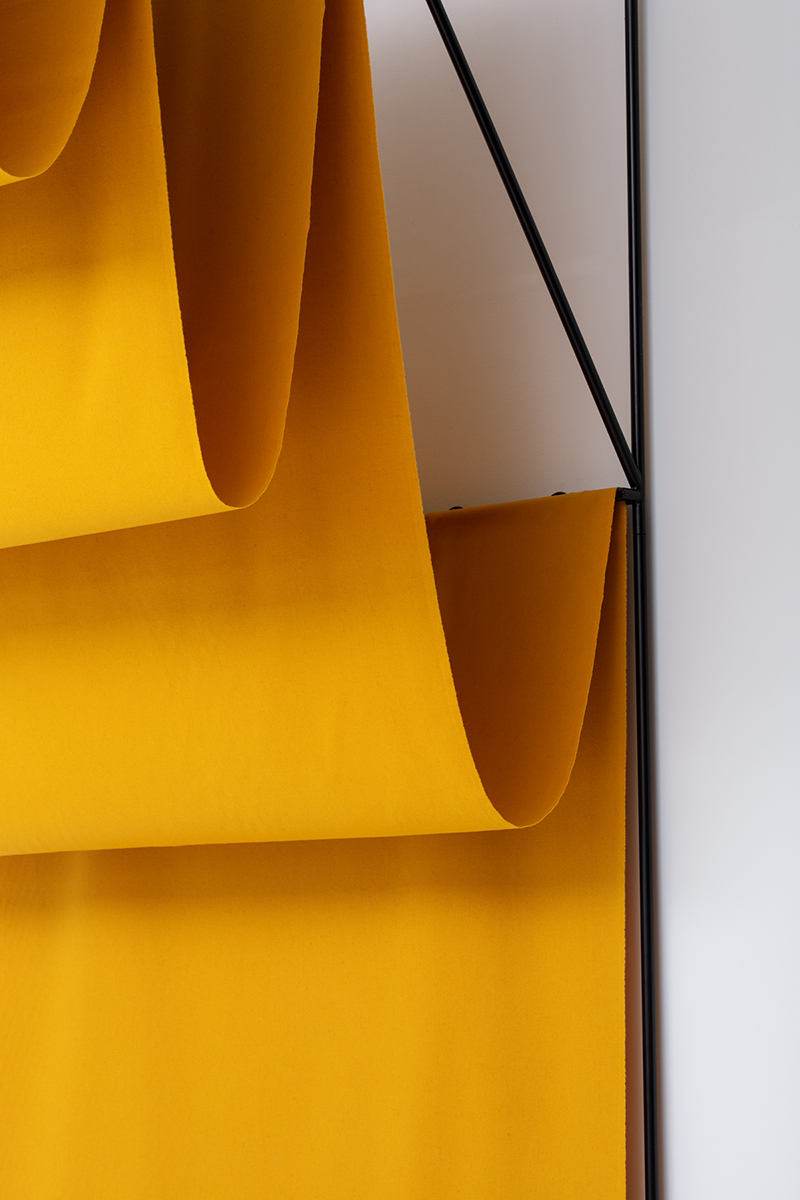
The “Clothed Home” exhibition offers an inspiring narrative on the life of textiles and living with textiles in the domestic space. It uncovers and explains numerous long-forgotten applications that are ready to be rediscovered.
“Fabrics acted as a unique mediator between our bodies and the outside world (…) they were essential in keeping interiors warm in winter, while creating airy, cooling spaces in summer”, says Aleksandra Kędziorek, the exhibition’s curator, in an interview with Vogue.pl.
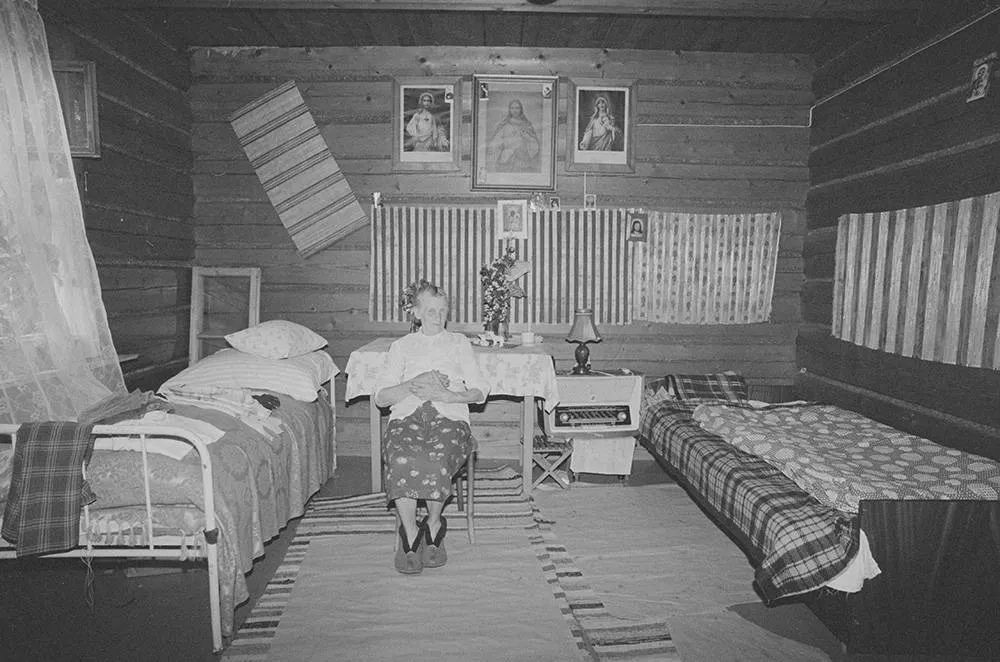
Key examples of such solutions include a fabric ceiling liner once used as winter insulation to keep the cold at bay or its lighter counterpart – a lightweight bed canopy that filtered out summer heat and light. The transparency of home textiles used to play a key role in experiencing the beauty of shifting, filtered light. Today, this quality is seldom recognised or factored into the choice of window treatments.
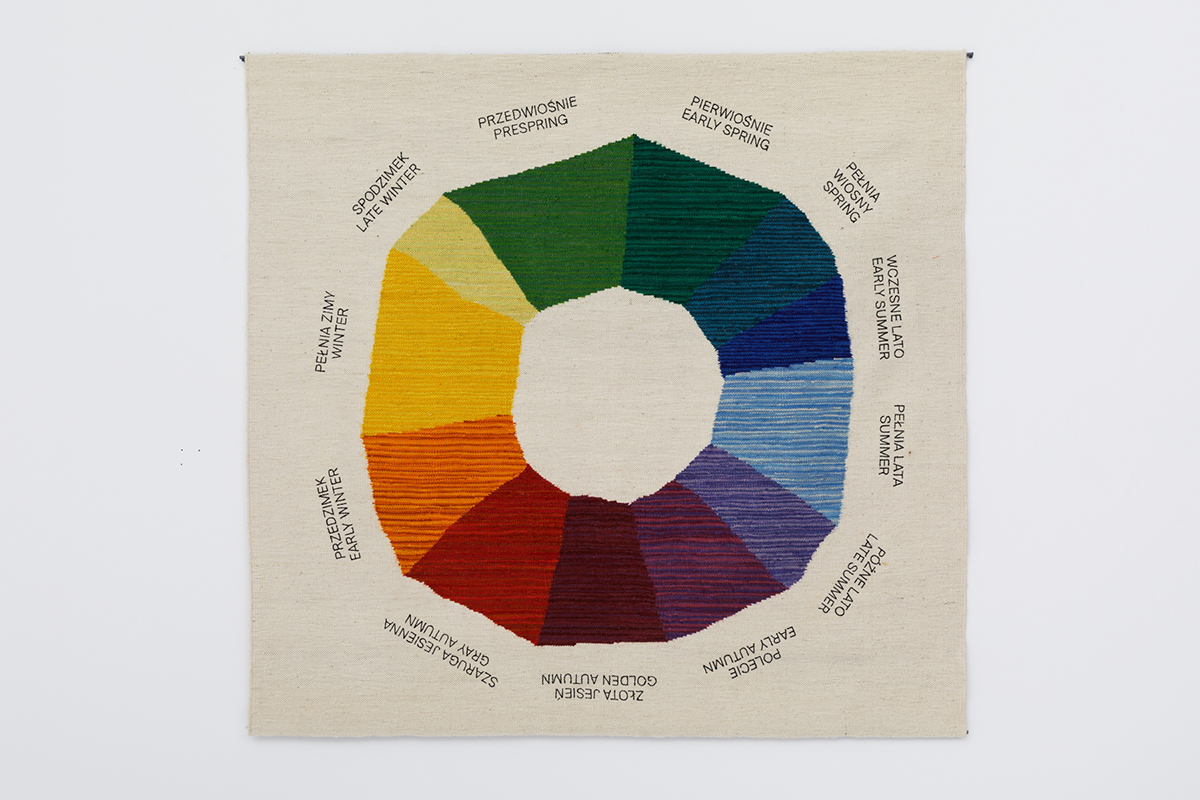
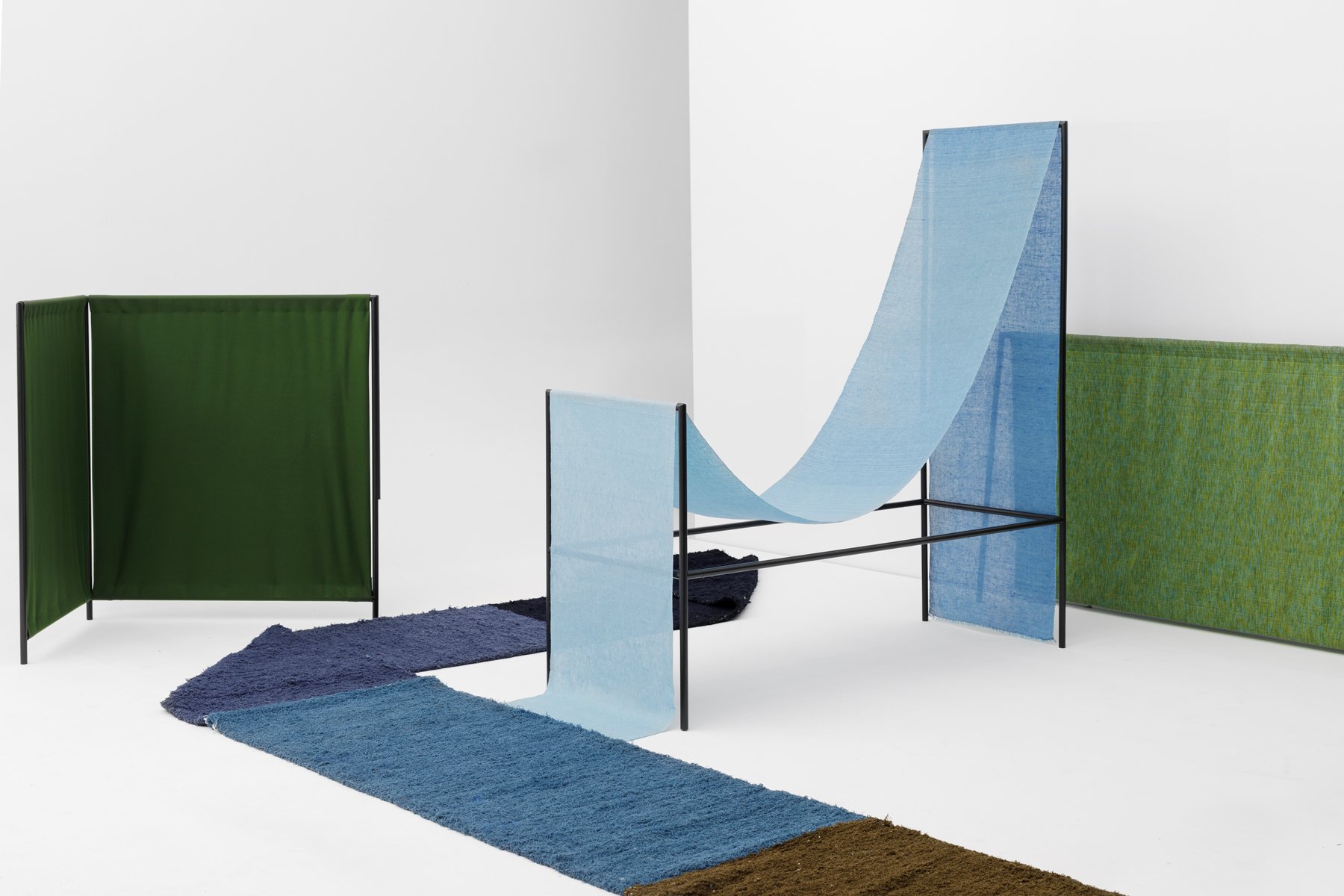
The exhibition’s design narrative springs from a unique source: the 12 traditional Polish climate seasons, a meteorological system now preserved only by gardeners. The resulting colour palette is both unexpected and educational. The standard weather scale has been reversed, with winter rejecting its traditional icy blues and summer moving away from its signature warm tones. In her textile designs, Alicja Bielawska plays with colour temperatures rooted in the symbolism of the natural seasonal cycle.
“We realised that when clothing our homes for winter, we seek heat, choosing sunny hues that visually warm us up. In summer, the palette shifts toward cooling tones. We drew inspiration from our own intuition and journeys through the radiant South, where cool palettes dominate, as seen in the iconic Greek blues and the airy white garments of desert nomads”, says Aleksandra Kędziorek. Alicja Bielawska points out that even in the Polish countryside blue was traditionally used during the summer months to deter insects. That is why cottage window frames and doorways were often painted blue.
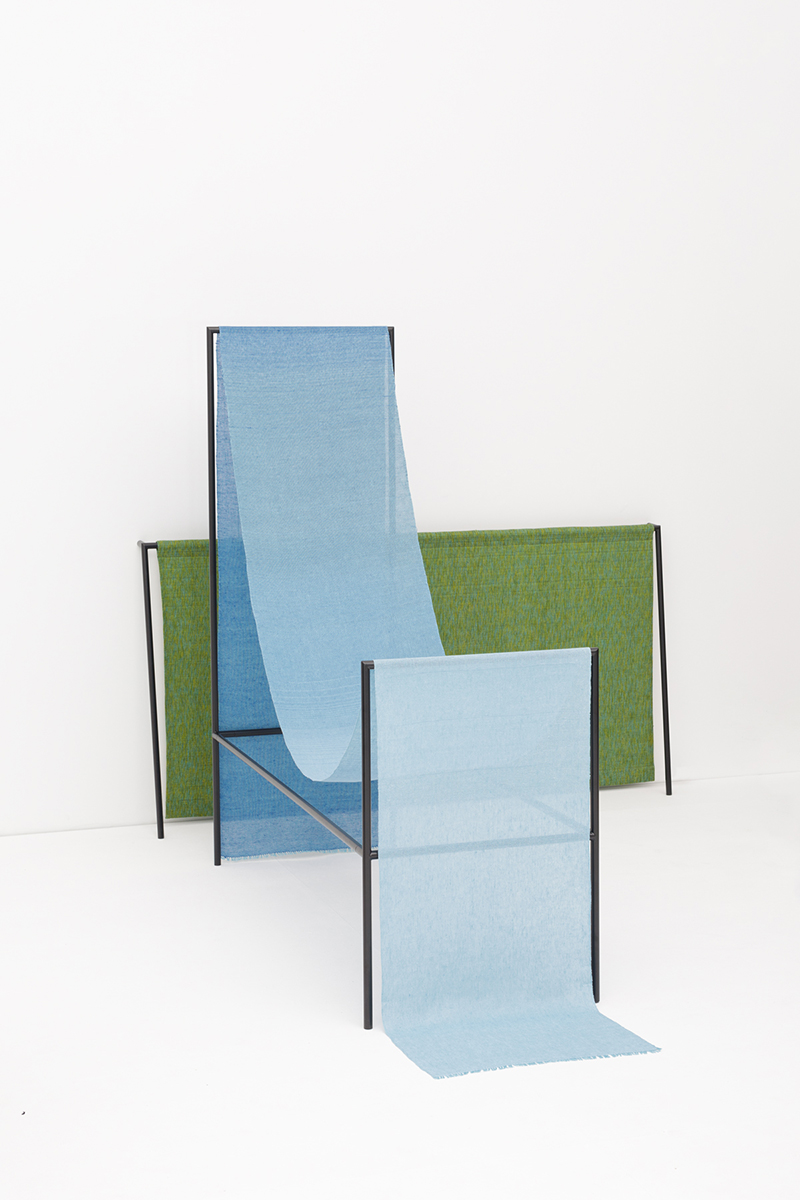
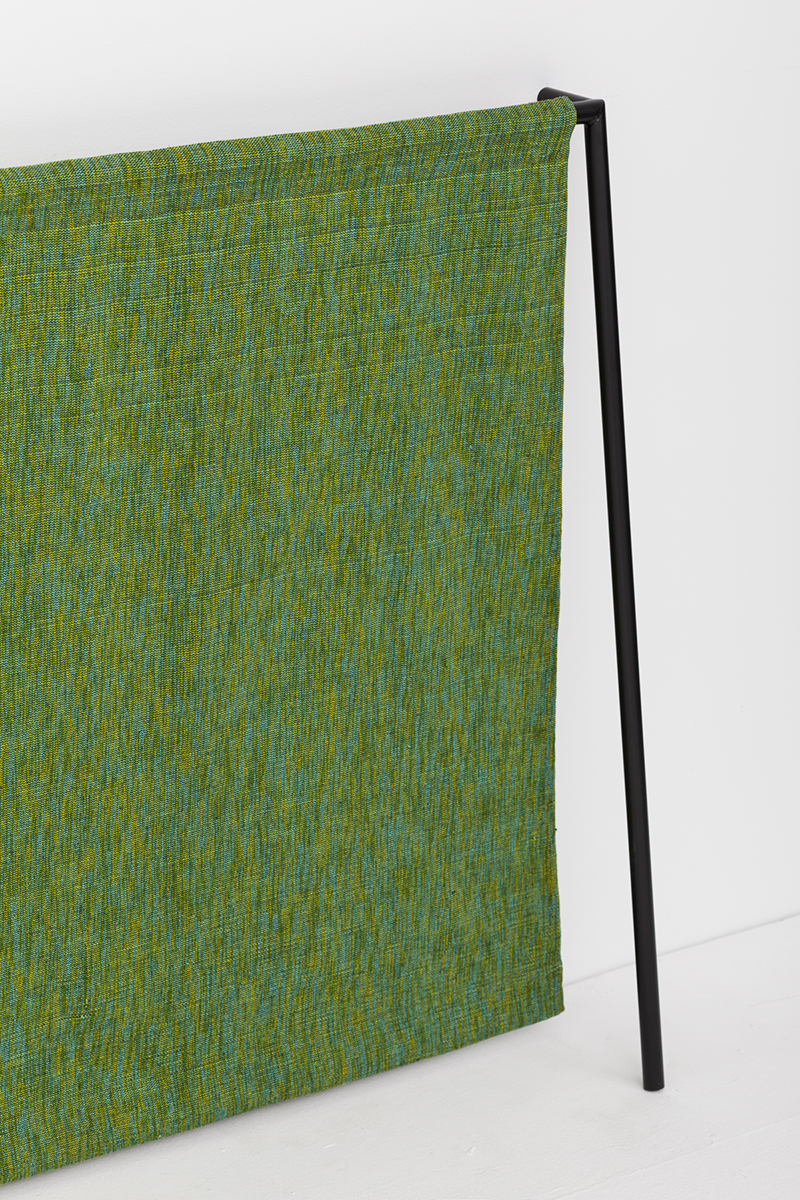
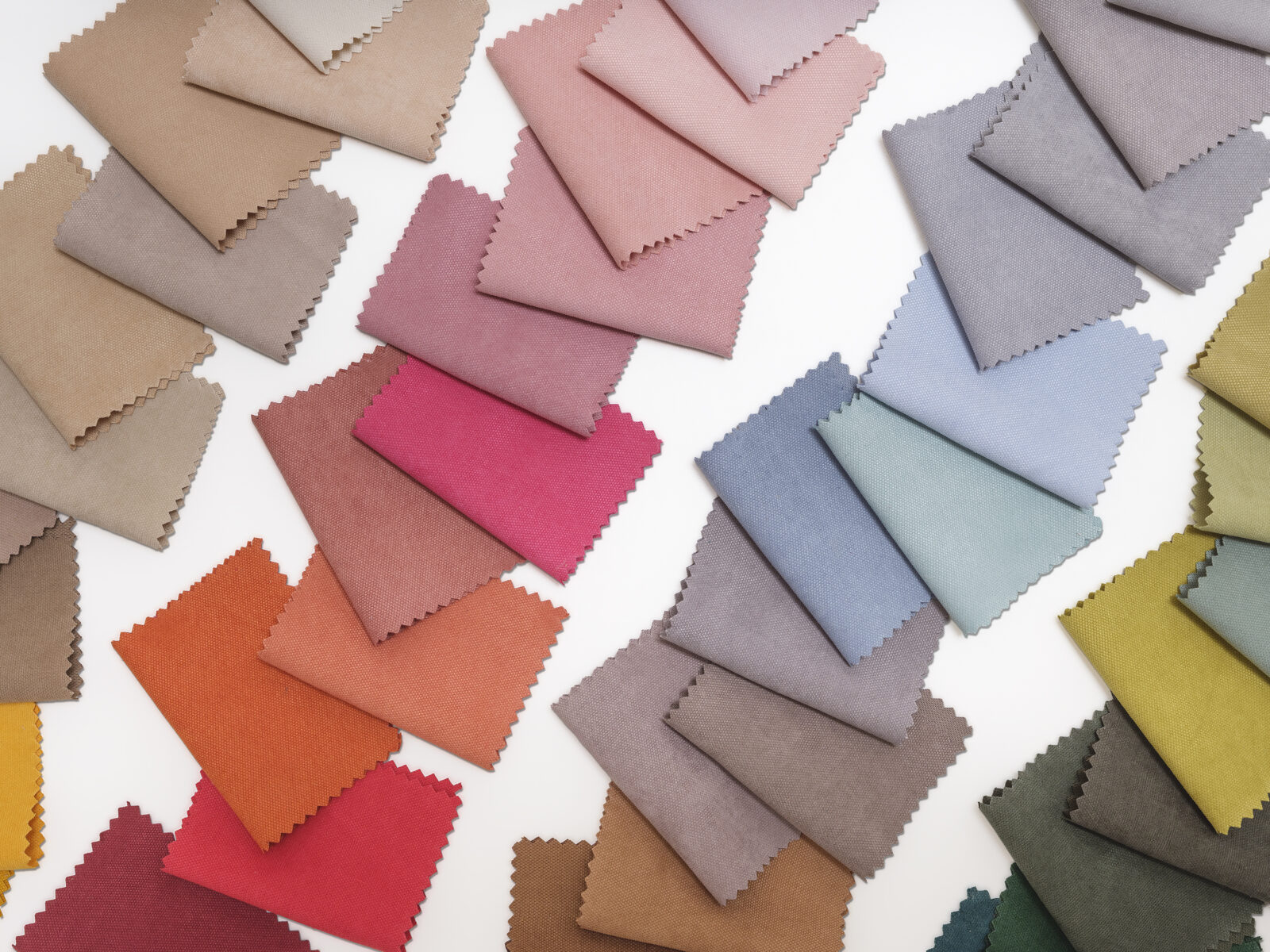
The chosen palette is complemented by thoughtfully matched textiles, wool and linen, which naturally enhance the concept through their thermal properties. This serves as an excellent inspiration for anyone selecting fabrics for specific applications, highlighting that the ultimate choice depends not only on colour and weight, but also on textures, weaves, coarseness, matte finish and sheen.
Alicja Bielawska’s designs originate from tangible objects and real-life functions that the artist reimagines into semi-abstract pieces with a powerful, symbolic impact. By manipulating scale in space, she also addresses the decline of a rich weaving heritage and its extraordinary techniques. It was essential to highlight the immense, untapped potential these methods hold for modern textile and interior design.
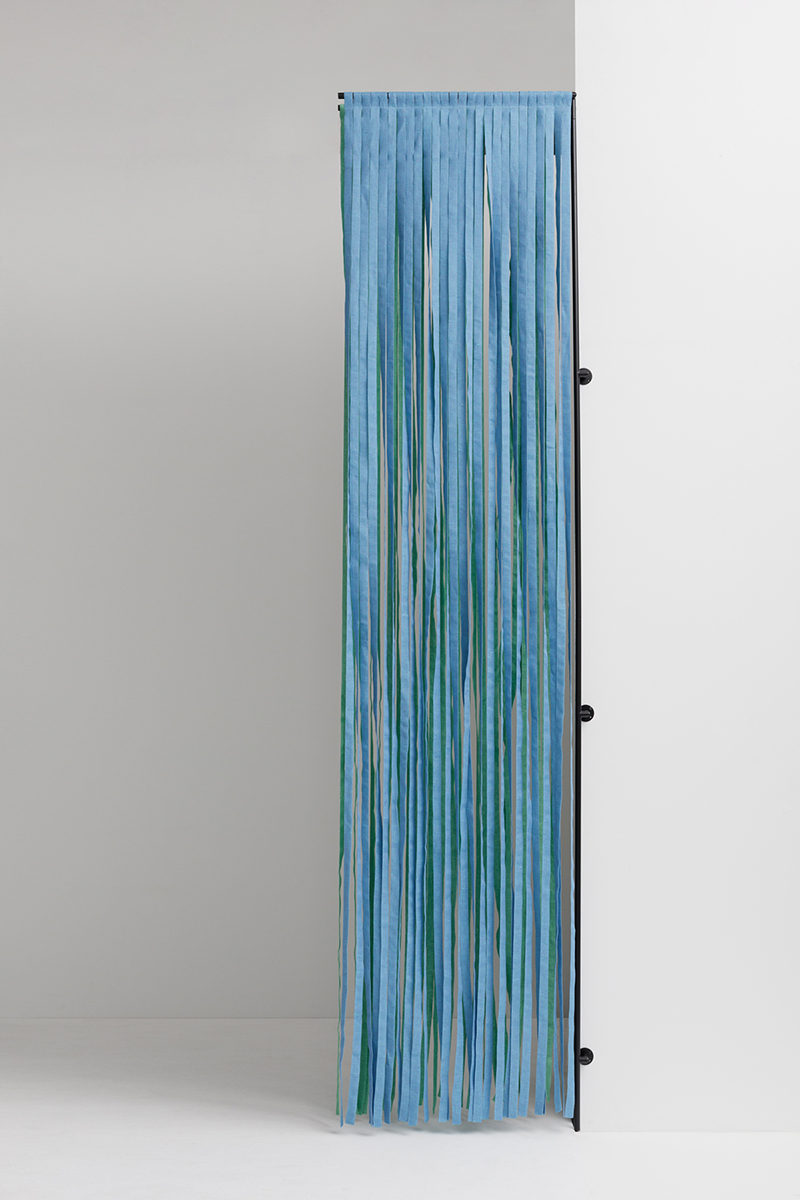
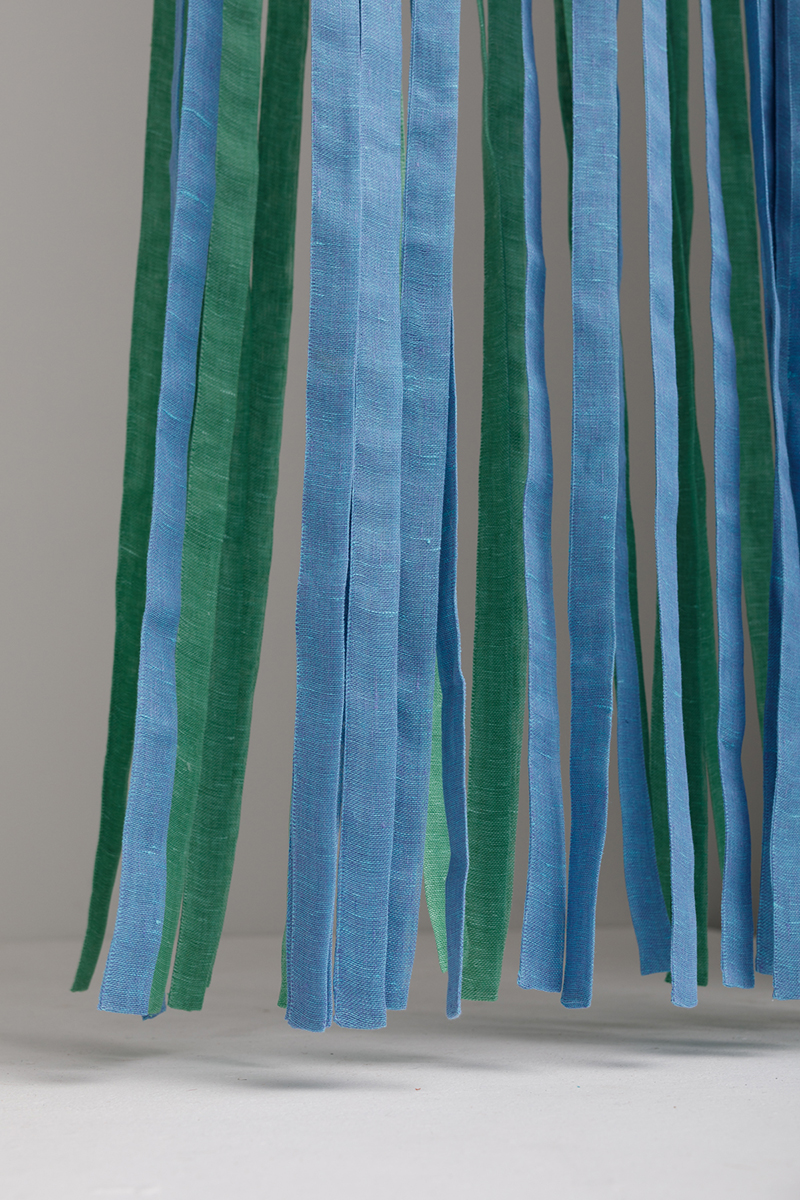
„My goal was to avoid obvious folk motifs and focus purely on colour. Our textiles feature a rich interplay of shifting tones and overlapping layers, designed to showcase the abundance and beauty of this craft”, says the artist.
In this context, the “everlasting” exhibition aims to inspire a mindset of change, not only in craftsmanship and interior design, but also on a deeply personal level of our connection to nature, its richness and changeability. It serves as a reminder that a home requires continuous care, as it is our daily project, forever in progress. The “Clothed Home” exhibition inspires a return to living in harmony with nature’s cycles, prompting us to reconsider its place in the modern world. For the first time in a long while, textiles, with their unique qualities and potential, take centre stage as both the medium and the focal point in this powerful, intellectual message.
“The Clothed Home. Tuning in to the Seasonal Imagination”.
Exhibition organiser: The Adam Mickiewicz Institute
Curator: Aleksandra Kędziorek
Artist: Alicja Bielawska
Concept and exhibition design: Centrala (Małgorzata Kuciewicz, Simone De Iacobis)