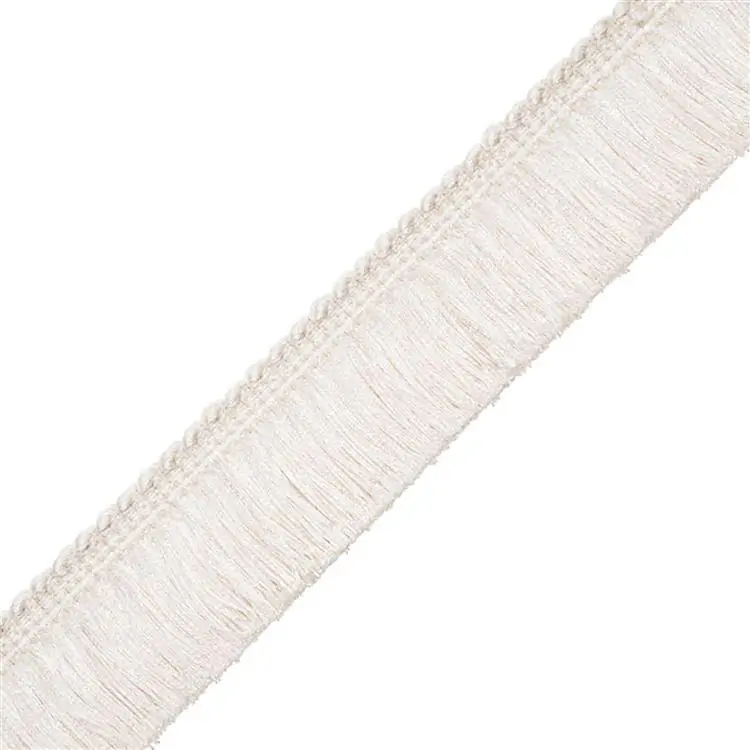

BRUSH FRINGE BF.0774
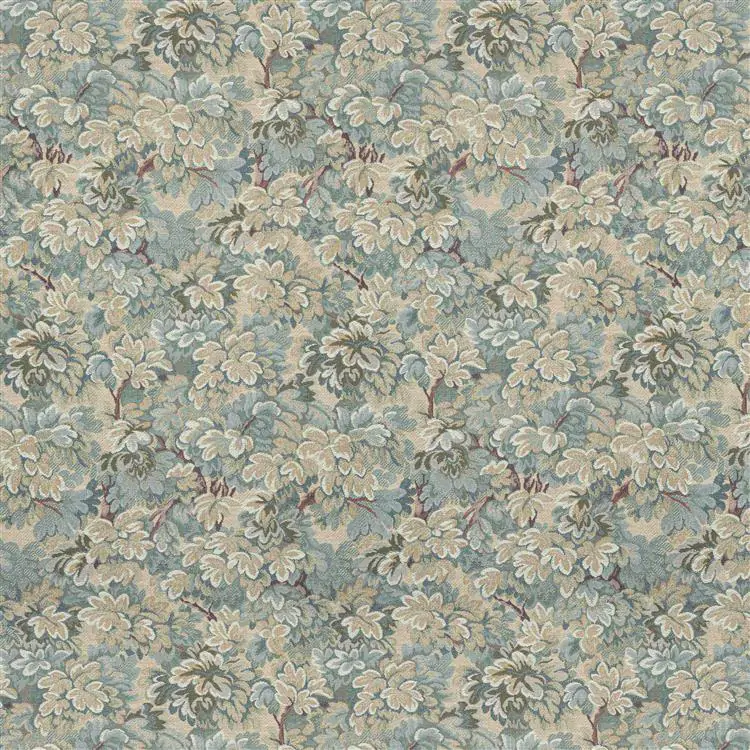
Tapestries, also known as arrases or verdures, are richly patterned decorative fabrics, meticulously crafted on a weaving loom or by hand. They are frequently referred to as textiles echoing the look of fine paintings. For this reason, their status in interior décor has remained significant for centuries.
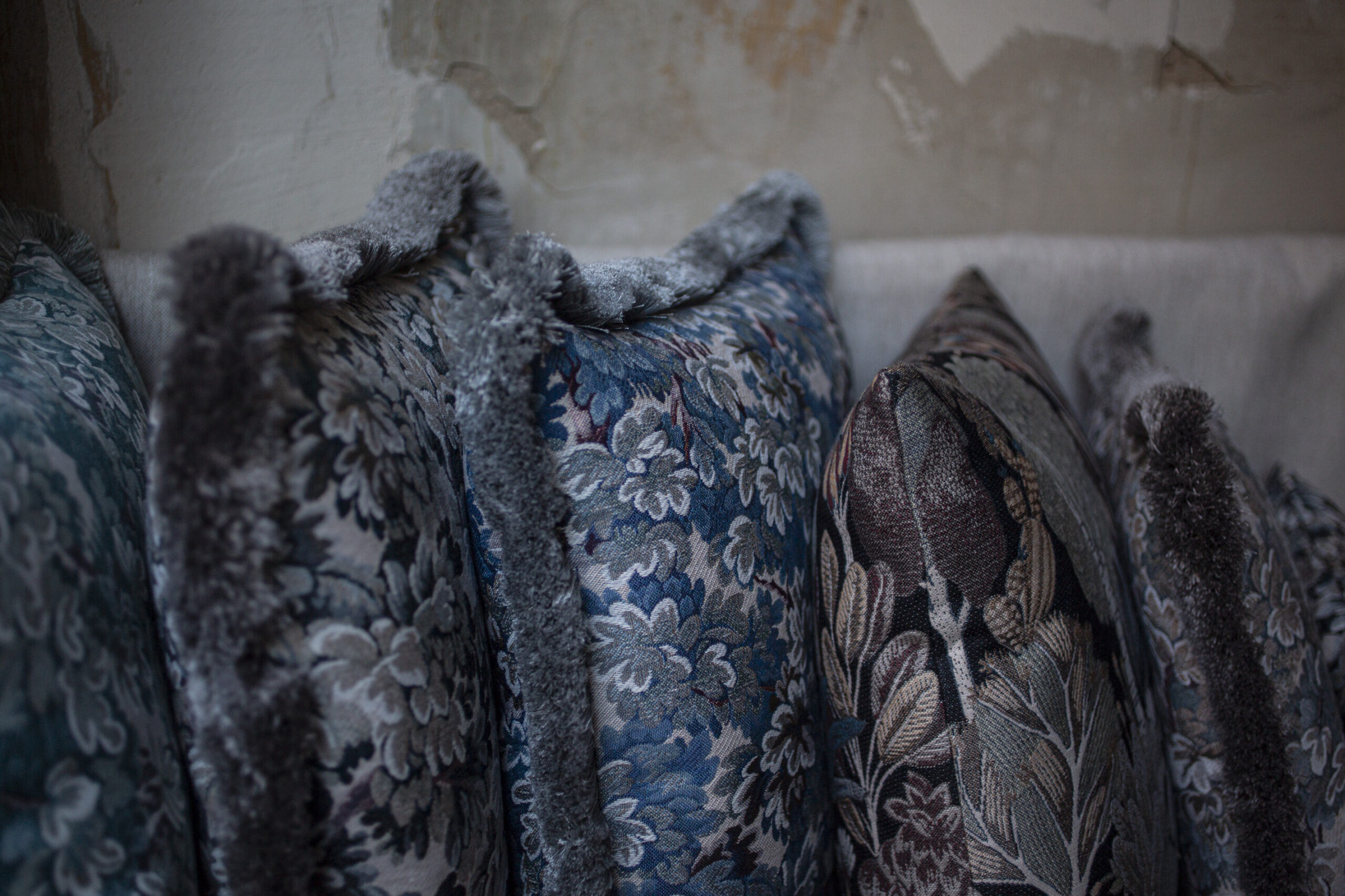
TO COMMEMORATE AND KEEP THE DRAFT AT BAY
Oryginalnie duże rozmiary gobelinów, poza przedstawieniami rozbudowanych scen rodzajowych, tłumaczą prozaiczne powody – pierwotnie zaprojektowane były do okrywania i ocieplania ścian oraz minimalizowania przeciągów w pałacowych czy sakralnych wnętrzach.
Originally, the impressive size of tapestries was not only meant to showcase detailed genre scenes. They were created to cover and insulate walls, reducing drafts in palaces and ecclesiastical interiors.
The art of tapestry weaving, dating back to antiquity, was practiced across many cultural centres. It was known in Greece, China, Egypt and even among pre Columbian civilisations.
The earliest known tapestry makers were the Egyptians. Between 1483 and 1411 BC, they wove richly decorated cloths for use in funerary ceremonies.
Western tapestries experienced a remarkable surge in popularity in the fourteenth century, when some kings and aristocrats used them for comfort while travelling, whereas others displayed them as symbols of status and wealth.
These iconic textiles were typically commissioned by rulers, wealthy patrons, noble families or religious institutions to mark momentous occasions, celebrate prominent figures and depict the great narratives of history.
TAPESTRIES, ARRASES OR VERDURES?
According to Wikipedia, a tapestry is a heavy “textile fabric decorated with designs of ornament or pictorial subjects, […] used for wall hangings, curtains” etc.
The term “arras” is also used interchangeably to describe a wall hung artistic tapestry imitating painted works and woven in manufactories. The most renowned arras tapestries were produced in France, in the city of Arras (lending them its name), and across Flanders. They were crafted from delicate woollen yarns, enriched with gold and silk threads.
However, for the sake of clarity, the word “arras” most commonly refers to tapestries woven in the fifteenth and sixteenth centuries, celebrated for their extraordinary artistry and impressive scale. Those produced later, being somewhat more modest, are usually referred to simply as tapestries.
To complicate terminology matters even more, there are also verdures.
These are usually monumental tapestries with meticulously interlaced weft threads, woven in plain weave on either vertical or horizontal looms, imitating painterly effects (colour gradations, shading). Metaphorically speaking, the word “tapestry” is used to describe something composed of many different, interconnected and intricately layered elements. “The rich tapestry of life” is a widely used expression, as is “a tapestry of emotions”, which conveys the idea of many diverse, intertwined and overlapping feelings.
COLOURFUL LAYERS OF MODERNITY
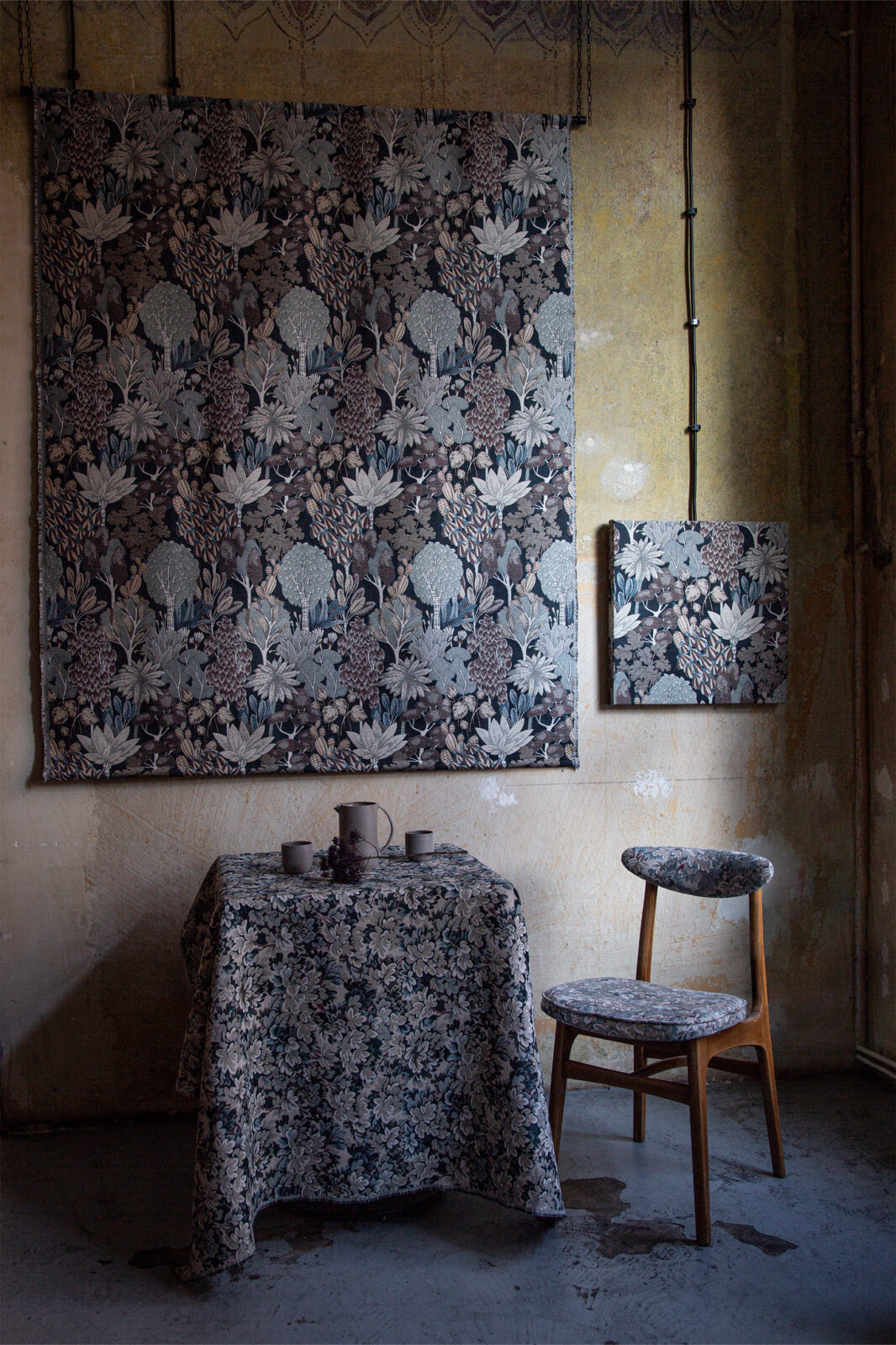
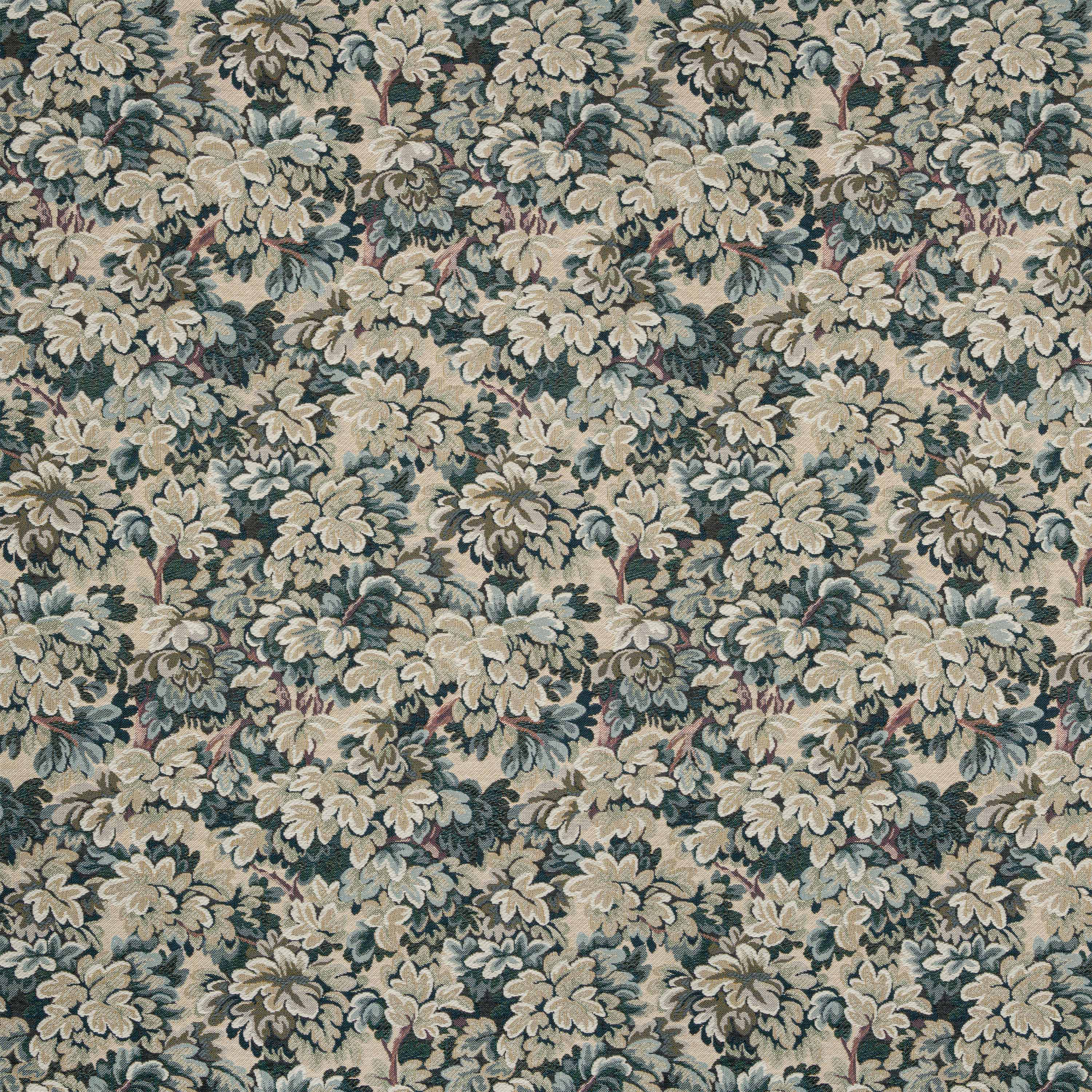
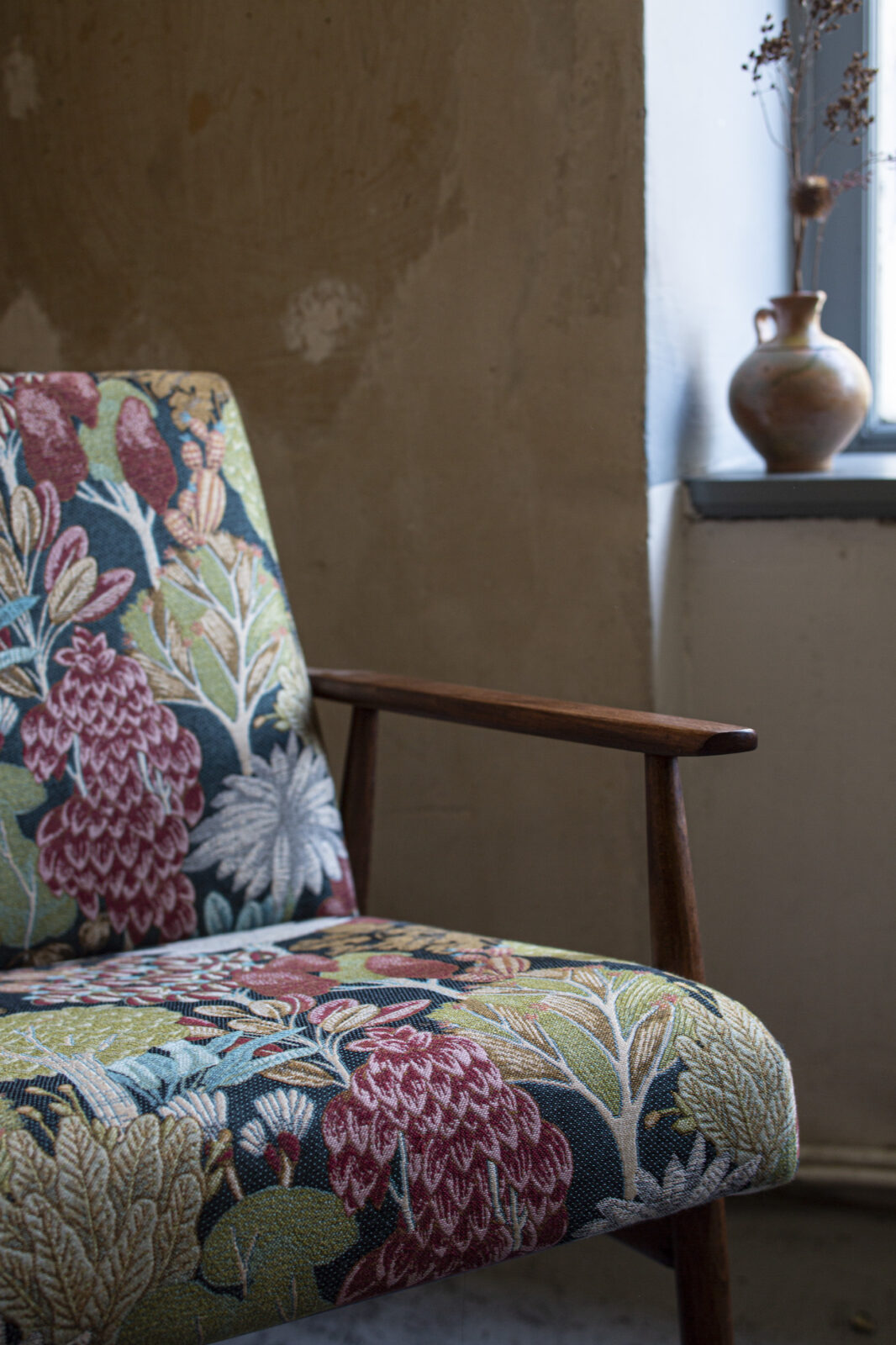
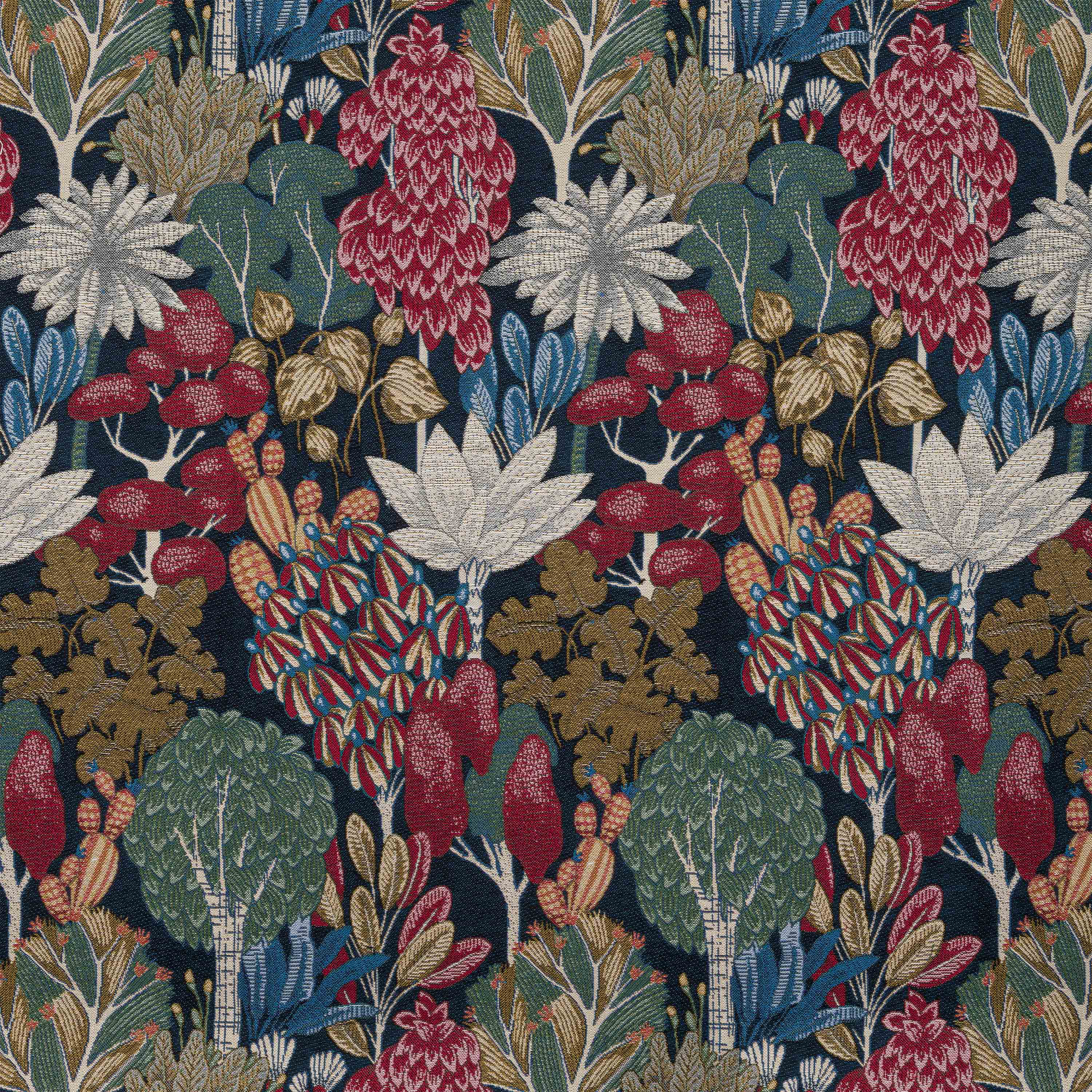
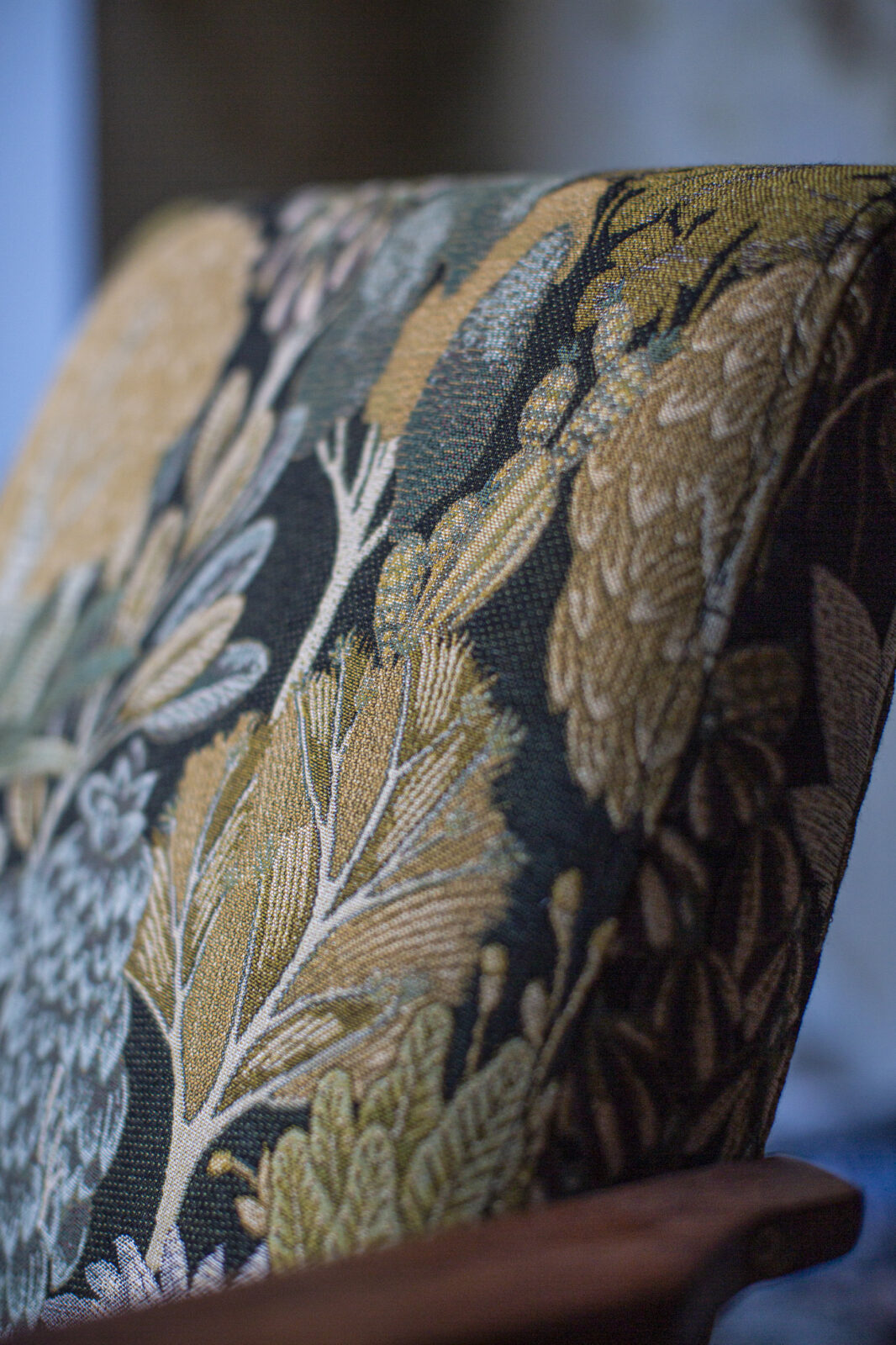
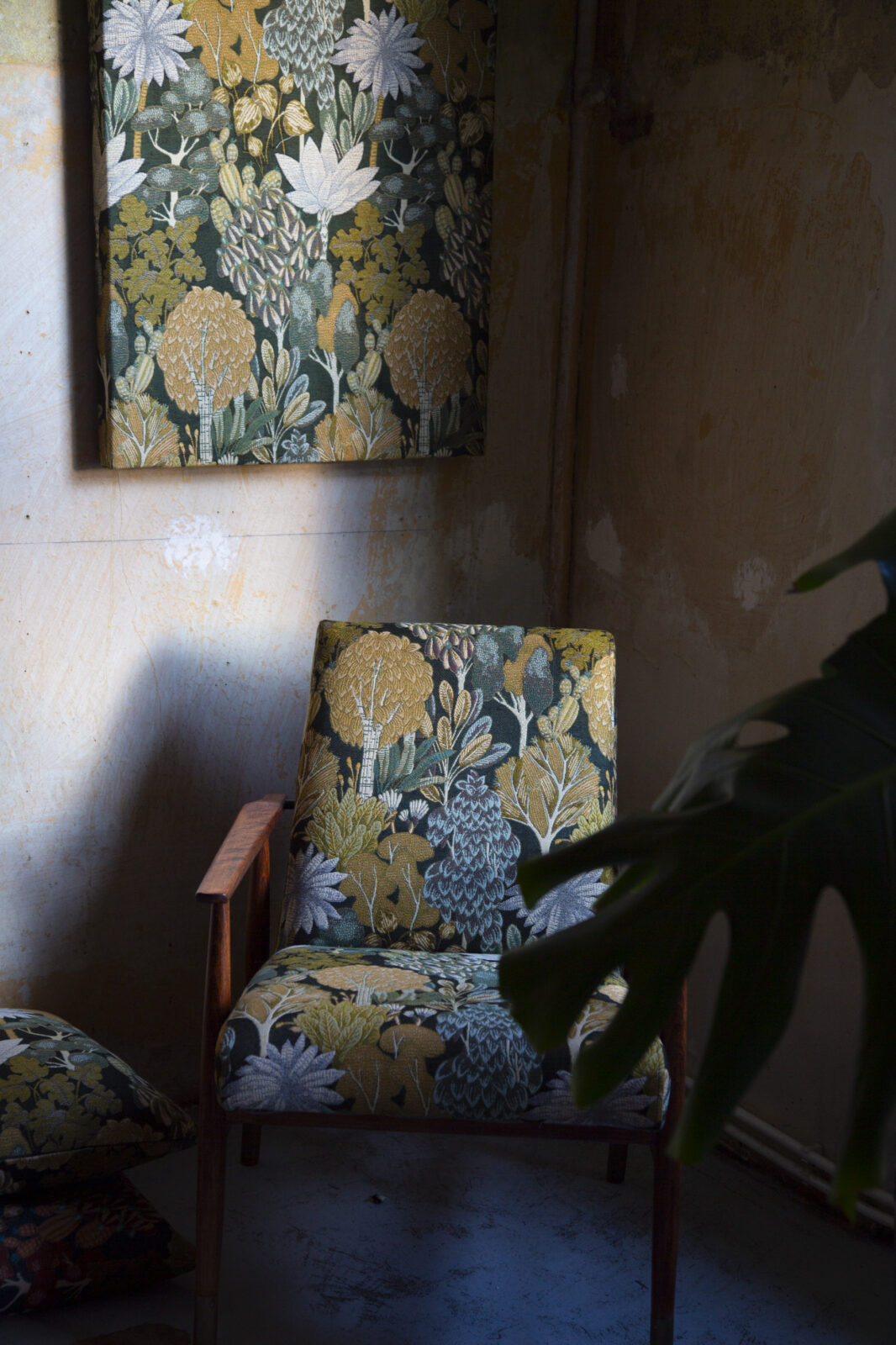
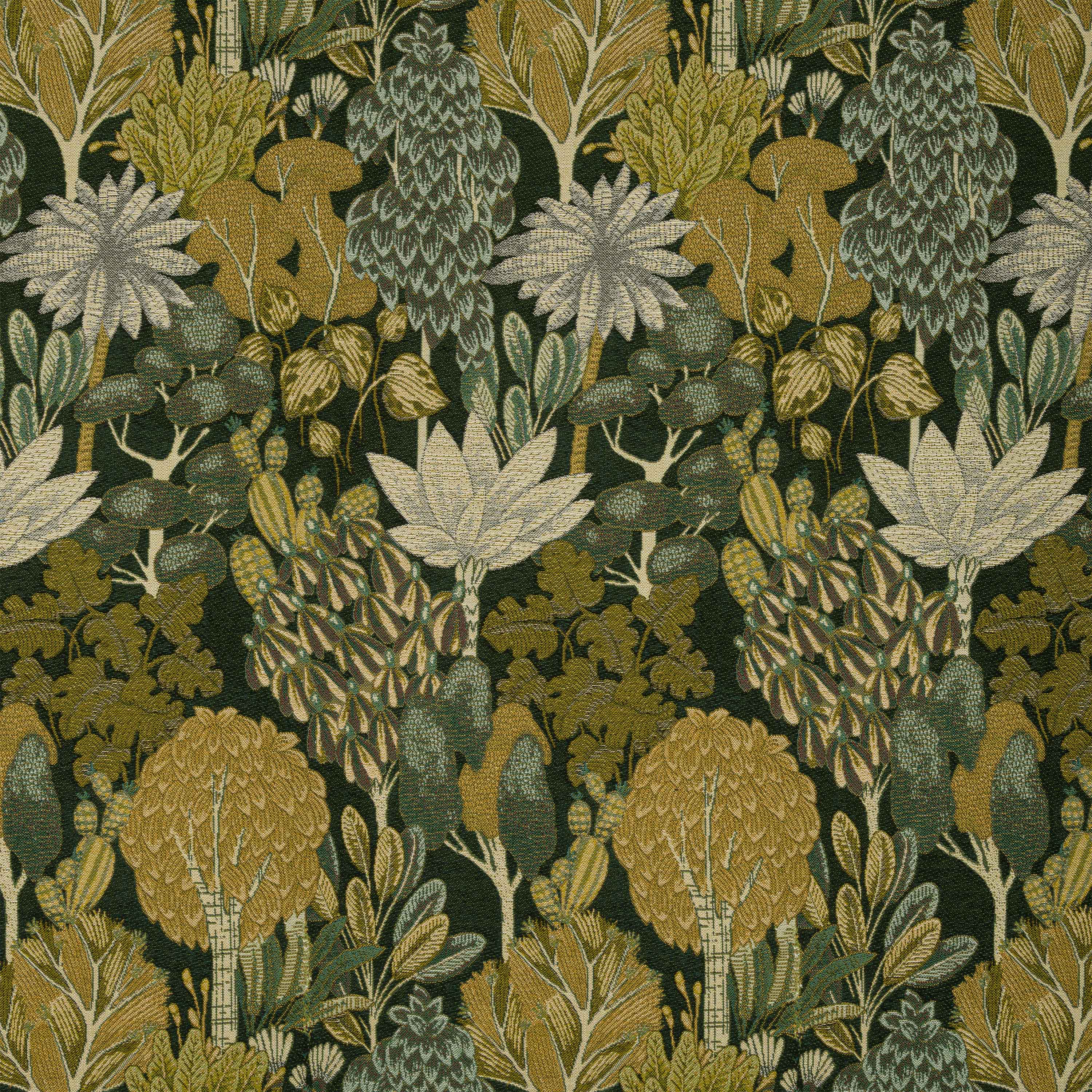
Tapestries are intricate stories told through woven threads. The style of a tapestry echoed the cultural, religious, historical and regional forces of its time. While traditional historical tapestries featured heraldic imagery (such as banners, shields, martial emblems and coats of arms) or mythological, biblical and pastoral genre scenes, contemporary tapestry textiles tend to favour rich colour palettes and boldly scaled botanical, geometric or abstract motifs. All of them lend interiors a distinctive, artistic character, often juxtaposing traditional weaving techniques with highly contemporary design.Today, tapestry textiles are produced using mechanised Jacquard techniques, employing fibre blends tailored to modern requirements. The high cost of producing tapestries stems in part from the need to use many colours in the warp, which not only increases the price but also requires more labour. As a result, an ever smaller number of European weaving workshops continue to produce tapestry fabrics.
The tapestry motifs now re emerging in modern interiors are reminiscent of traditional Asian patterns (those from India and China), which typically depicted spiritual and magical symbols or botanical and natural imagery.
Scenes featuring flora and fauna are now the most favourite motifs in today’s tapestry style décor, with nature inspired elements in modern interiors softening the boundaries between the interior and exterior.
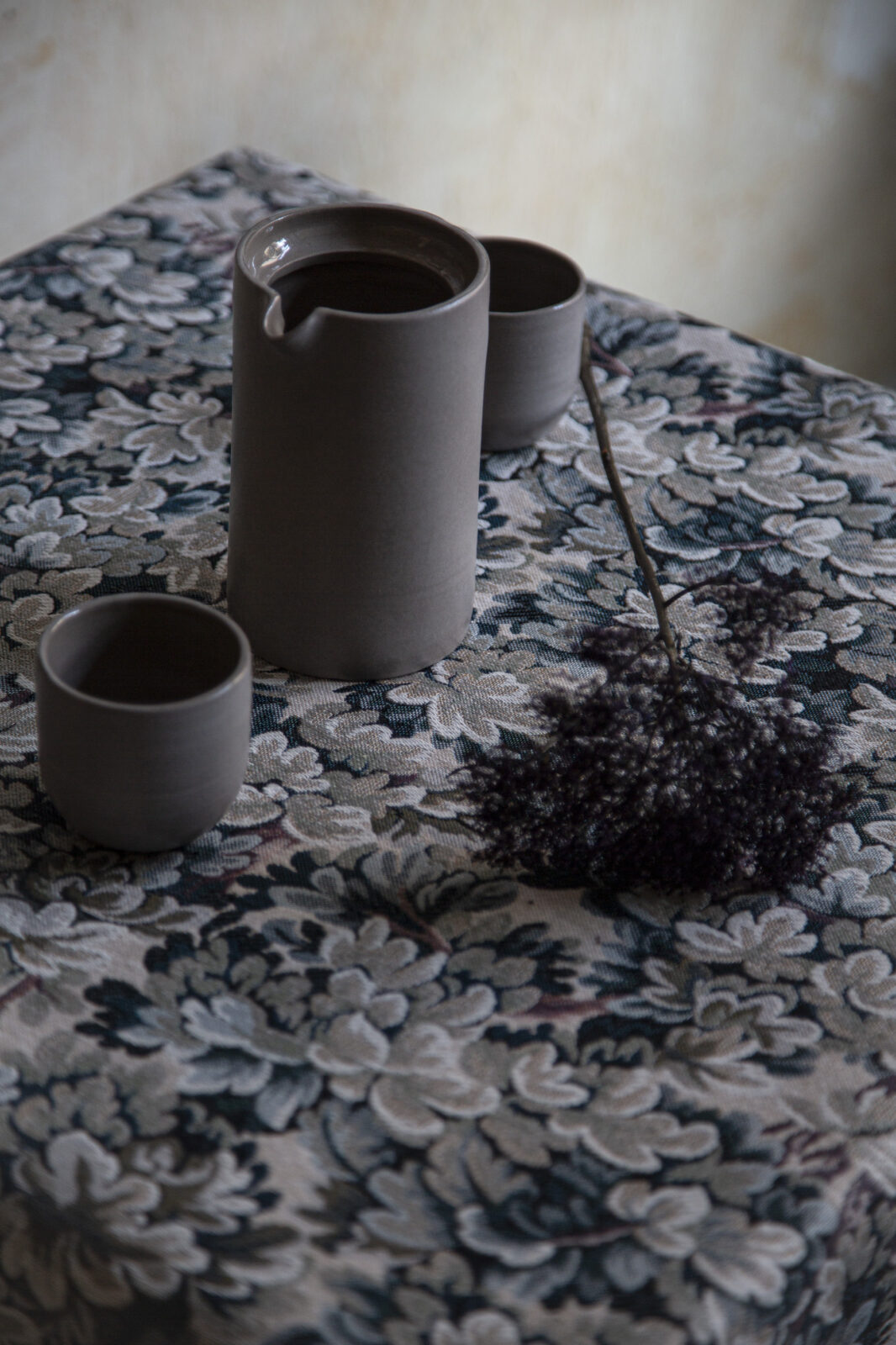
Tapestry textiles frequently feature rich, saturated colours, such as azures, turquoises, greens and browns. They bring a sense of drama and visual depth to interiors, much like the large scale wallpaper designs so popular today.
It is fair to say that the tradition of using tapestry fabrics in interiors has never truly faded. There has always been a group of enthusiasts appreciative of weaving mastery and classic décor, turning to established, time tested patterns for solutions that unite practicality with aesthetics.
Contemporary trends that encourage eclecticism and the bold pairing of old with new, plain with patterned, and rough with glossy are rediscovering the qualities of tapestry fabrics. They are especially appreciated for their beauty and the layered dimension they can bring to any interior.
Tapestries are an excellent way to enrich any space with depth, richness, history and texture.
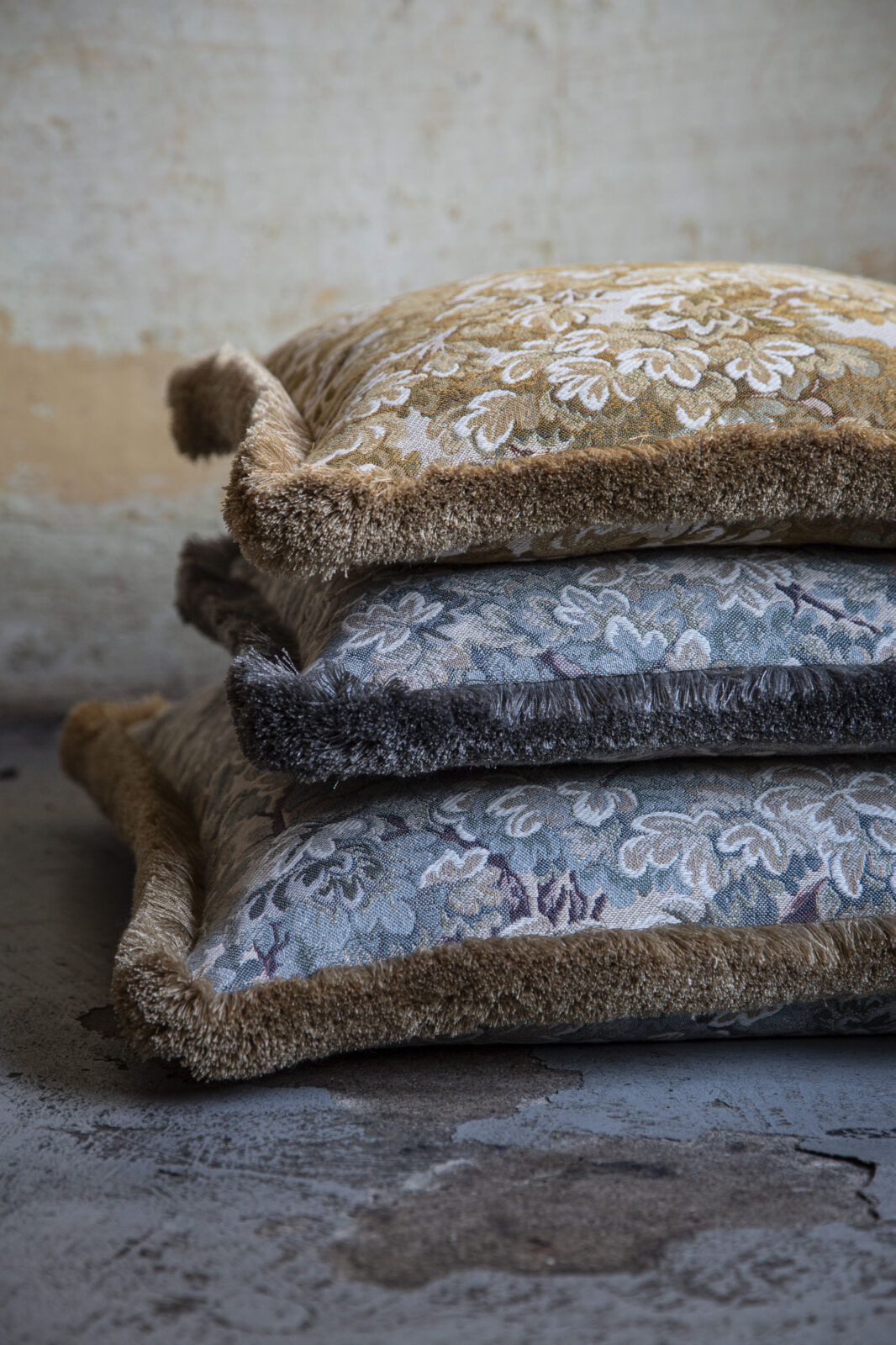
Ткани, использованные в фотосессии:
Креативная концепция, текст, фотографии и стилизация: MBBM Studio
Фотография: Борис Миллер
Стилизация: Малгося Бернади
Фотосессия выполнена по заказу Dekoma в Кафердаме, Познань.